
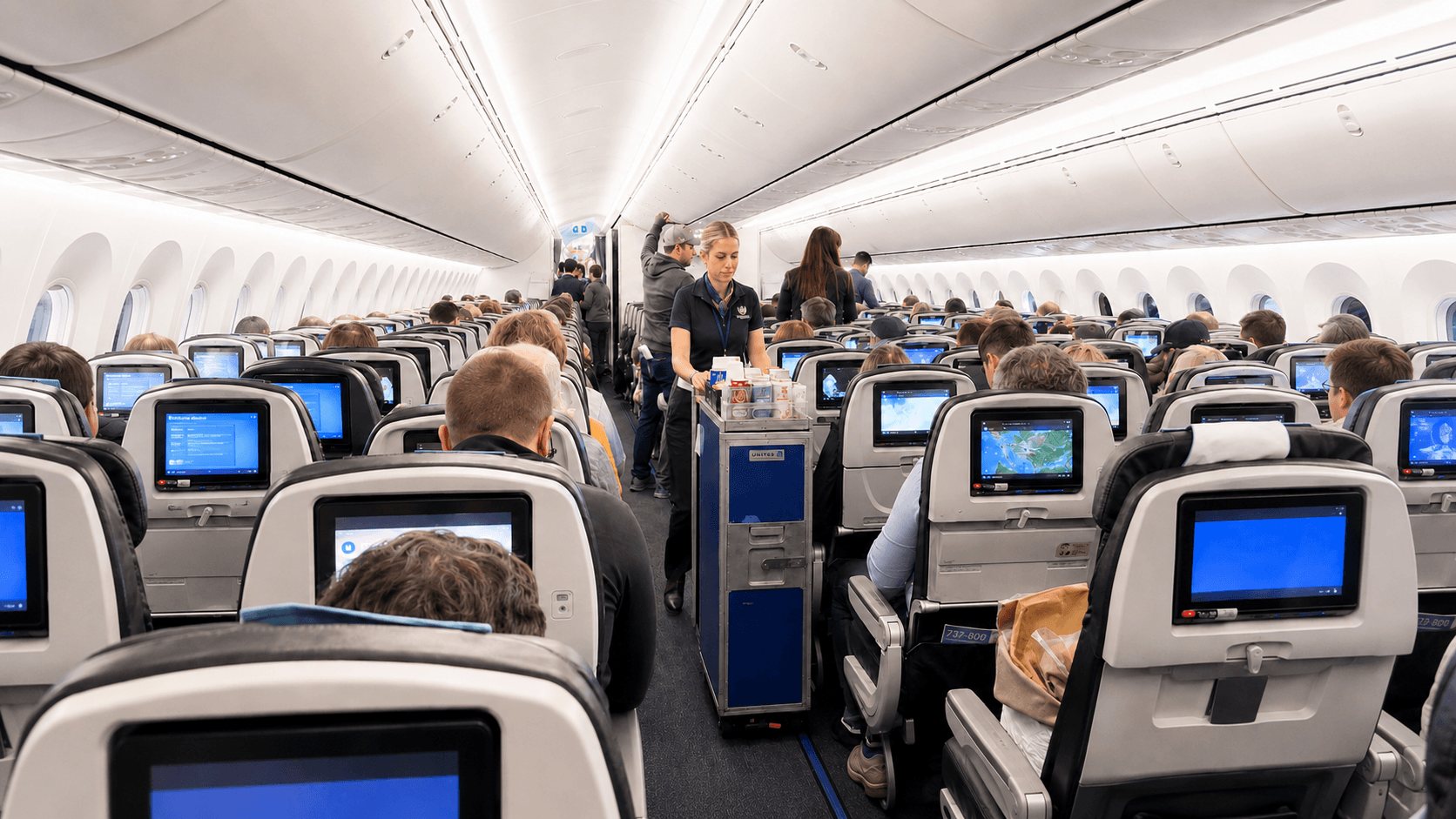
Cabin Lights. The Bing-Bong PA Announcement. Rumbling Meal Carts.
What if you could block it all out?
NapNest is the answer.
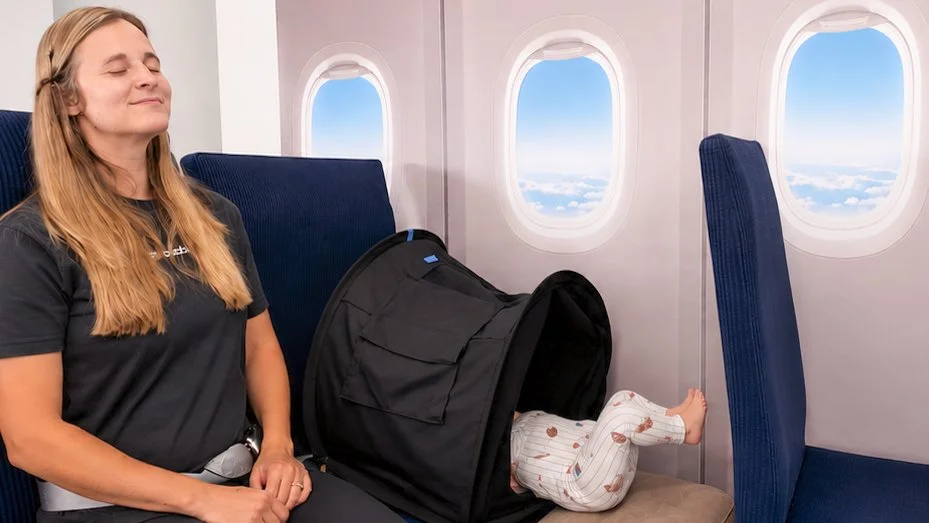

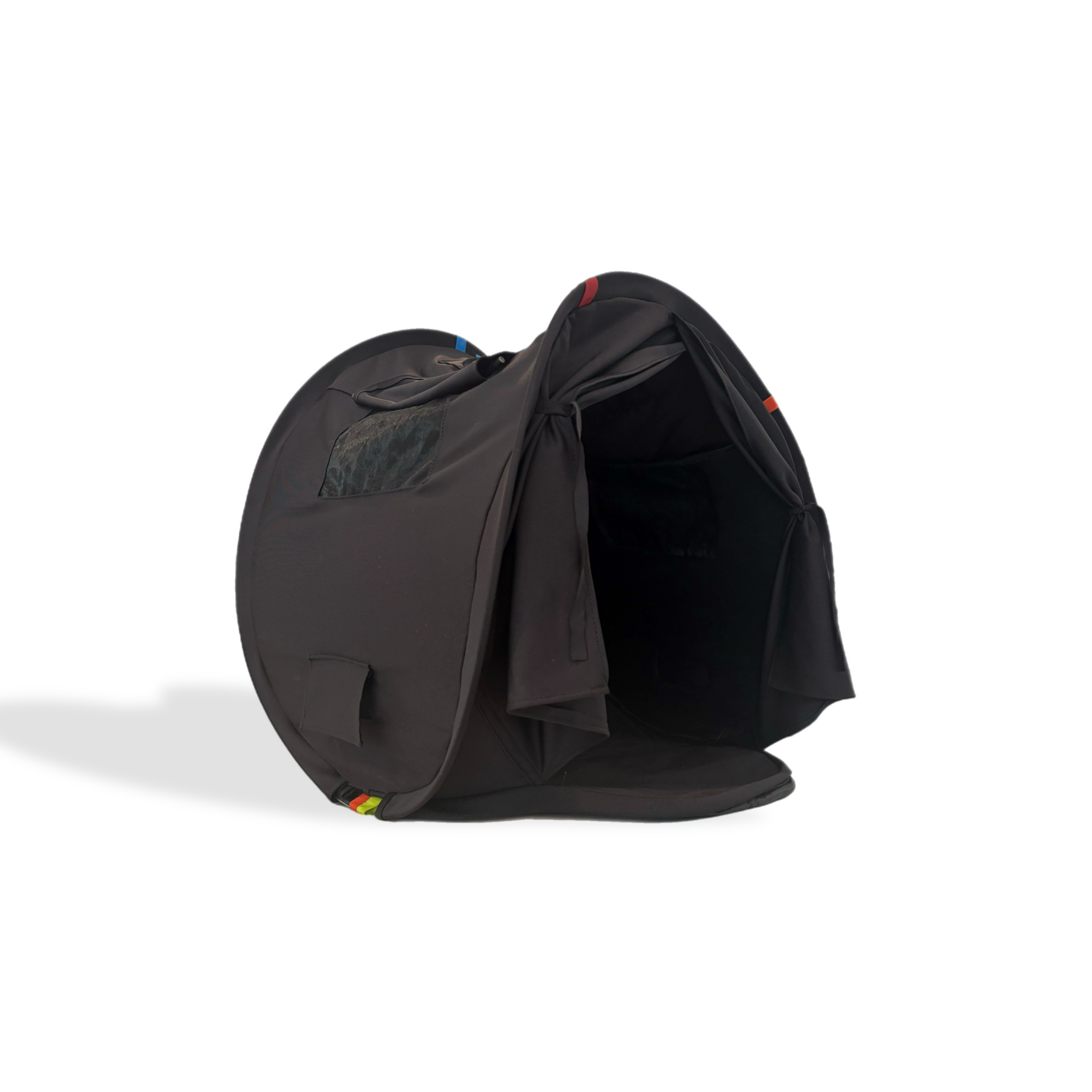
A patent-pending blackout nook that creates a calm, dark, familiar world right in your child’s airplane seat — so the plane stops waking them up.
Designed for infants through age five.
The seat was never the problem.
It’s everything happening around it.
Join 600+ families who are done gambling with airplane sleep. Get in at the lowest price NapNest will ever be.
-
![]()
Every detail purposefully designed for the airplane environment, for parents and kids.
-
![]()
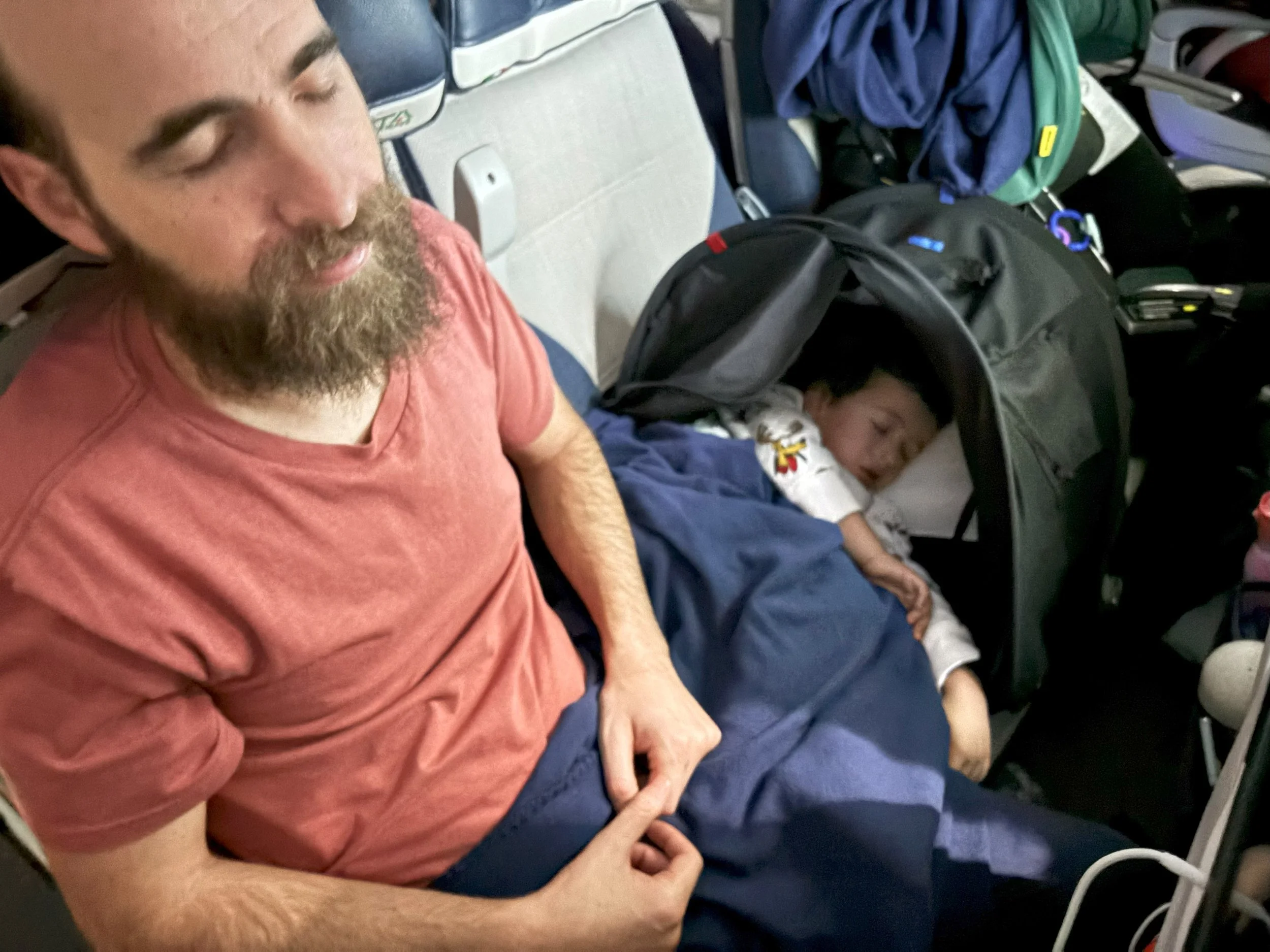
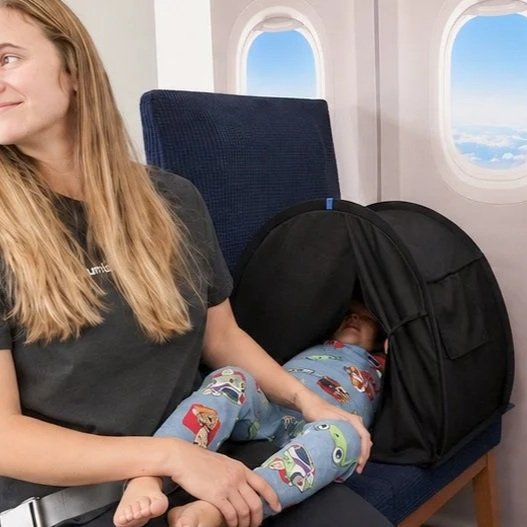
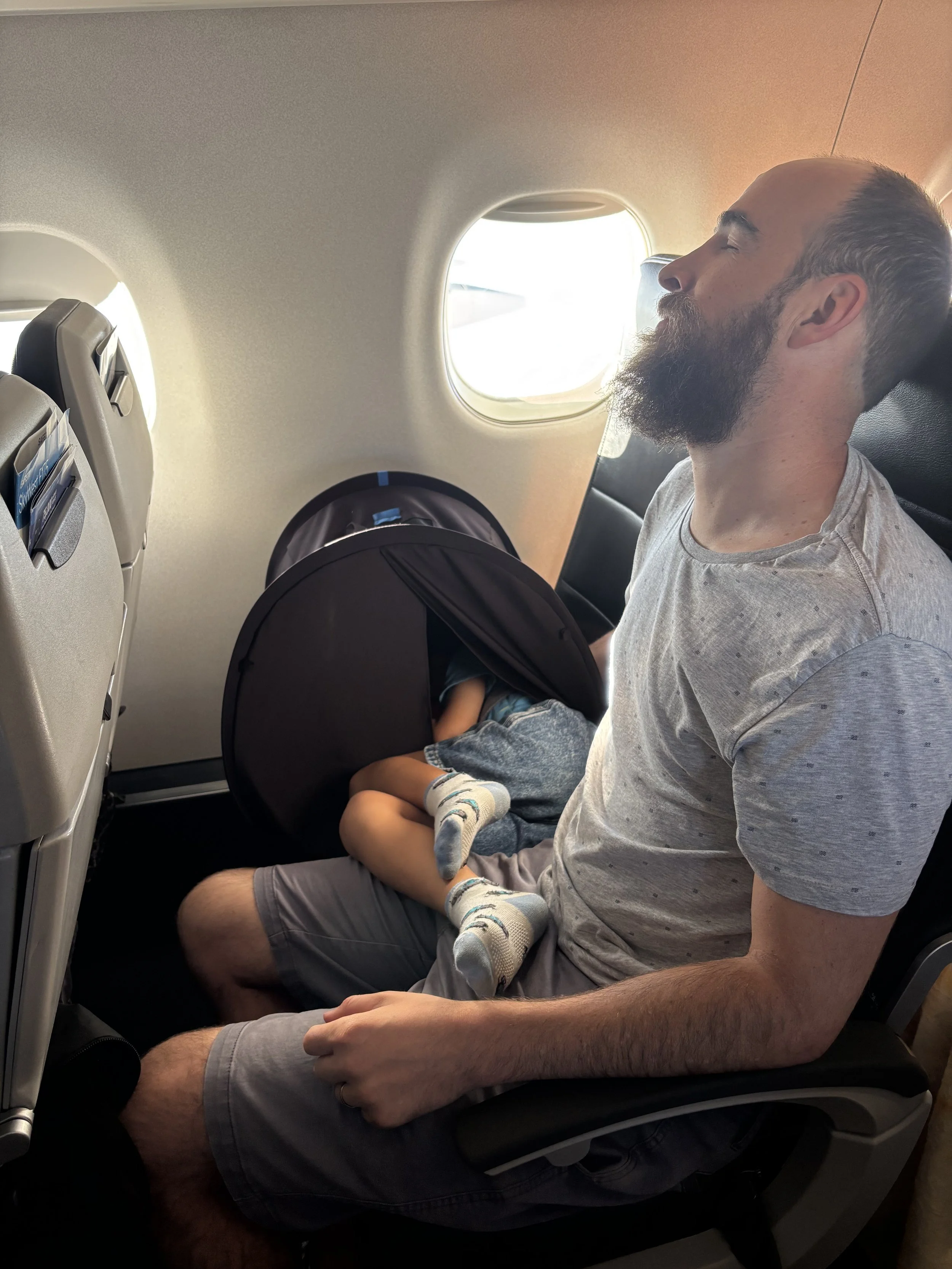
Cozy, uninterrupted sleep even in the midst of chaos.
-
![]()
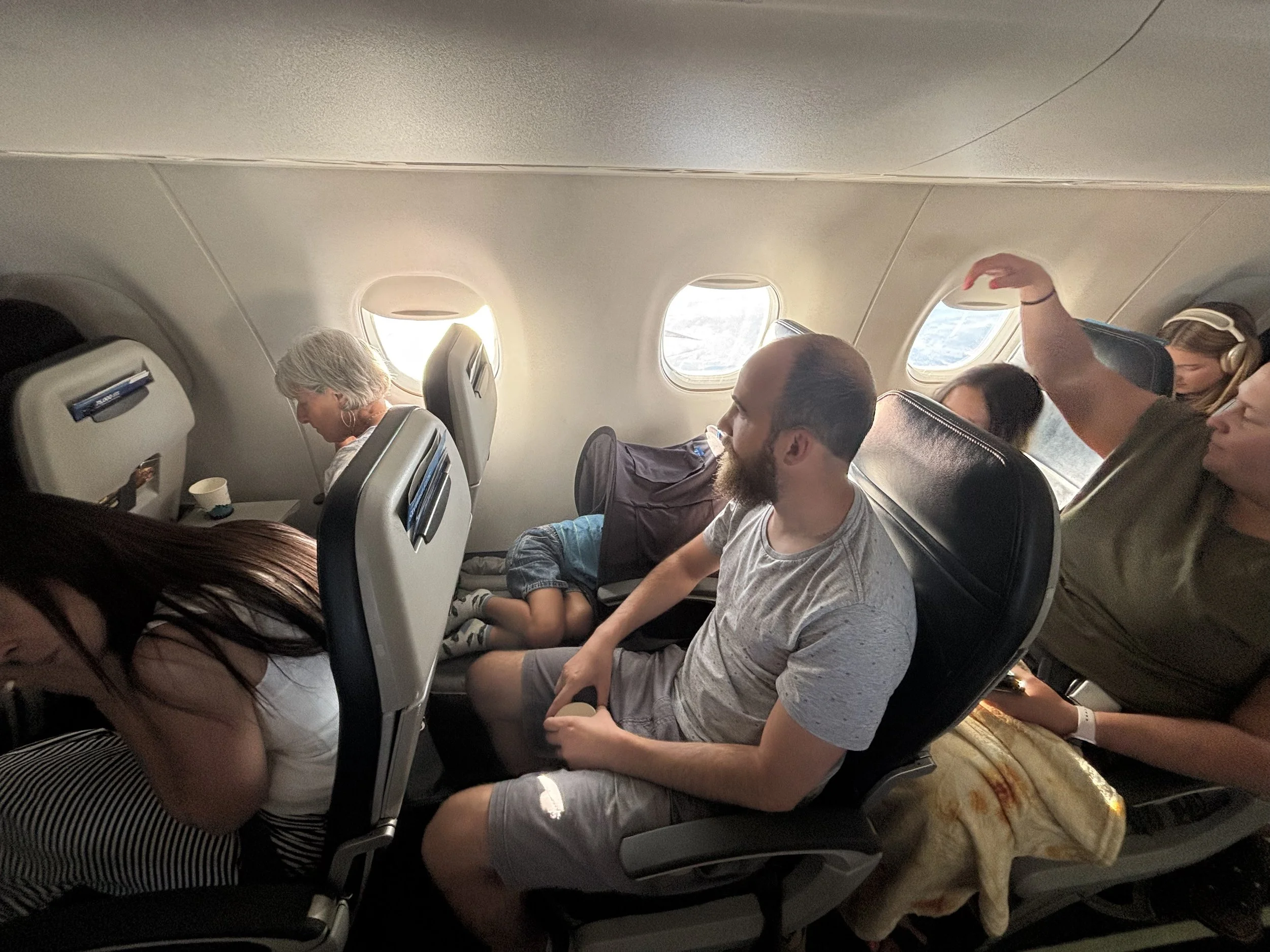
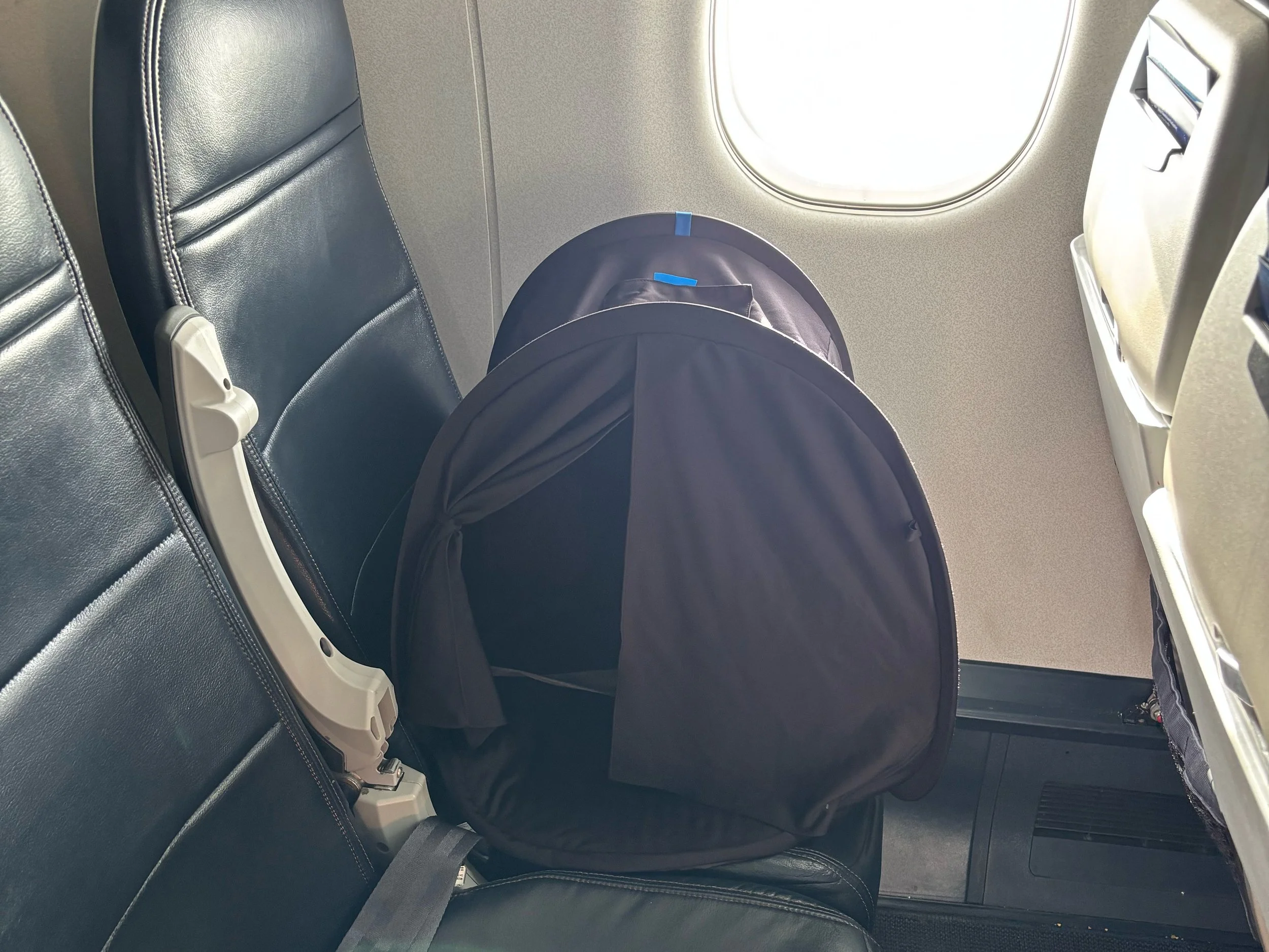
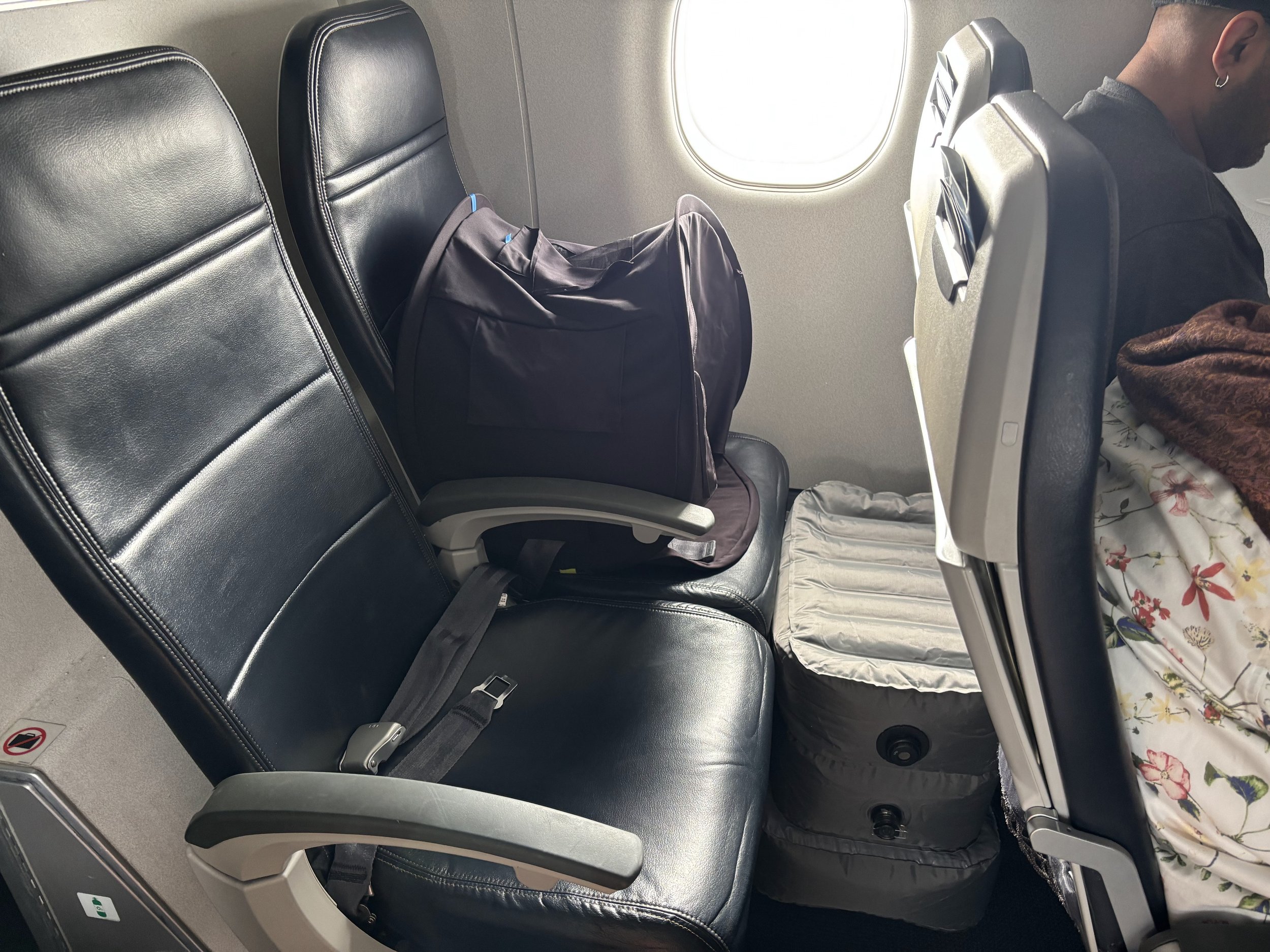
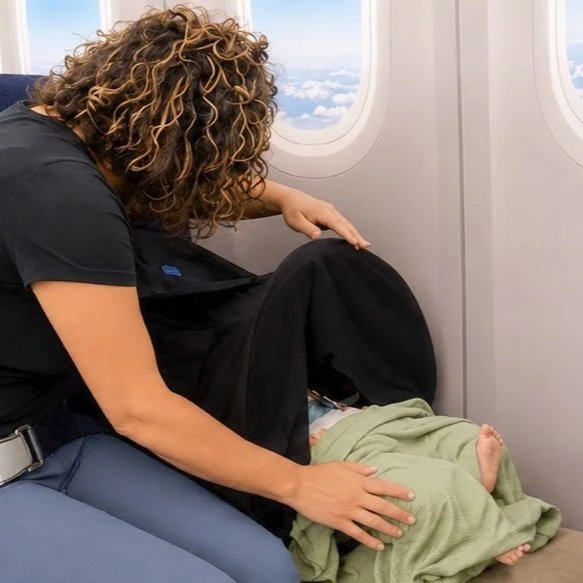
Side-facing configuration - buckled in, safely secured.
-
![]()
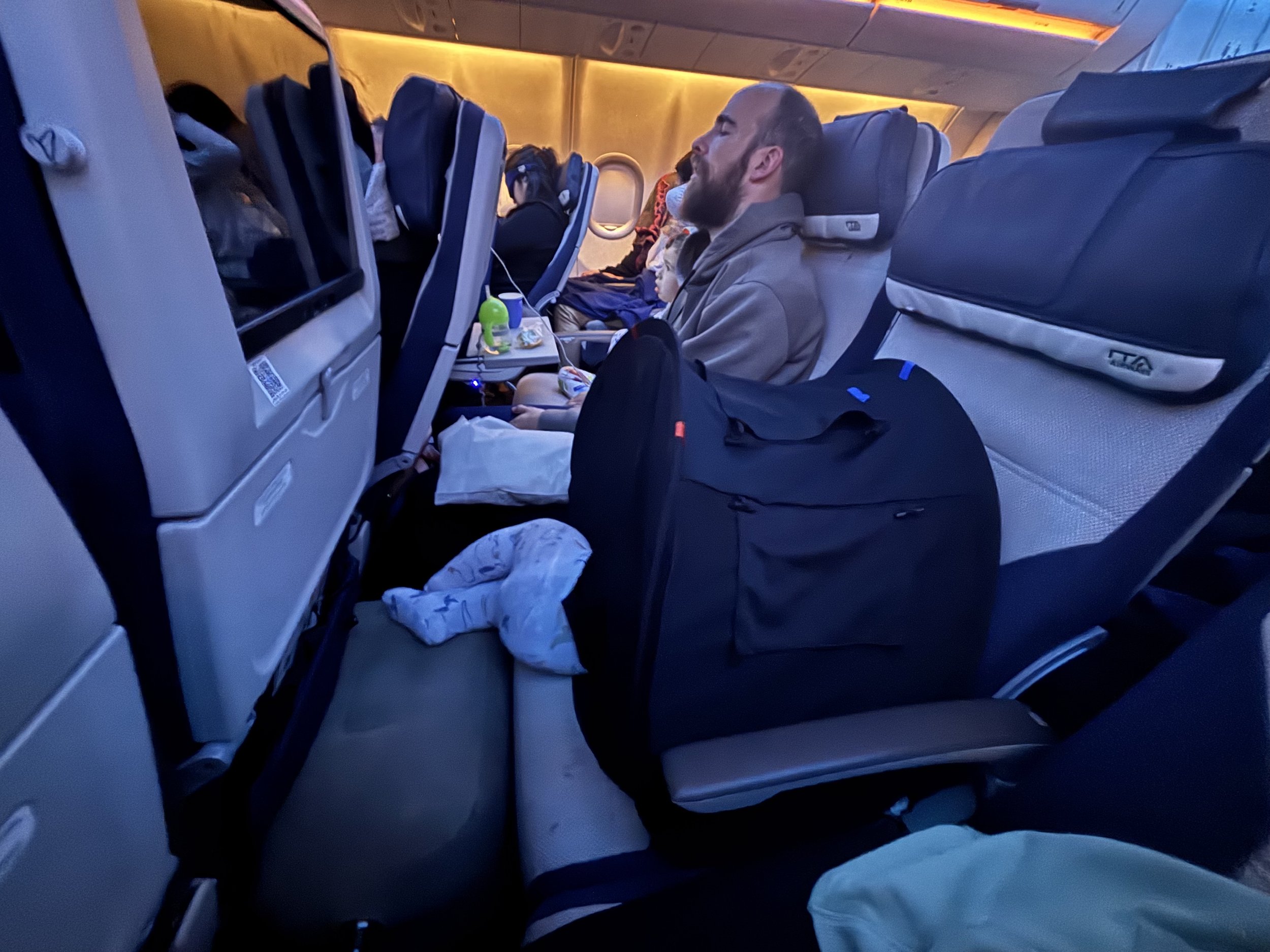
Front-facing NapNest, paired with Fly Tot for a fully flat setup.
-
![]()
Buckled and visible, the whole flight.
-
![]()
5 year old (45 inches) sleeping in side-facing configuration.
-
![]()
3 year old (42 inches) in side-facing configuration.
-
![]()
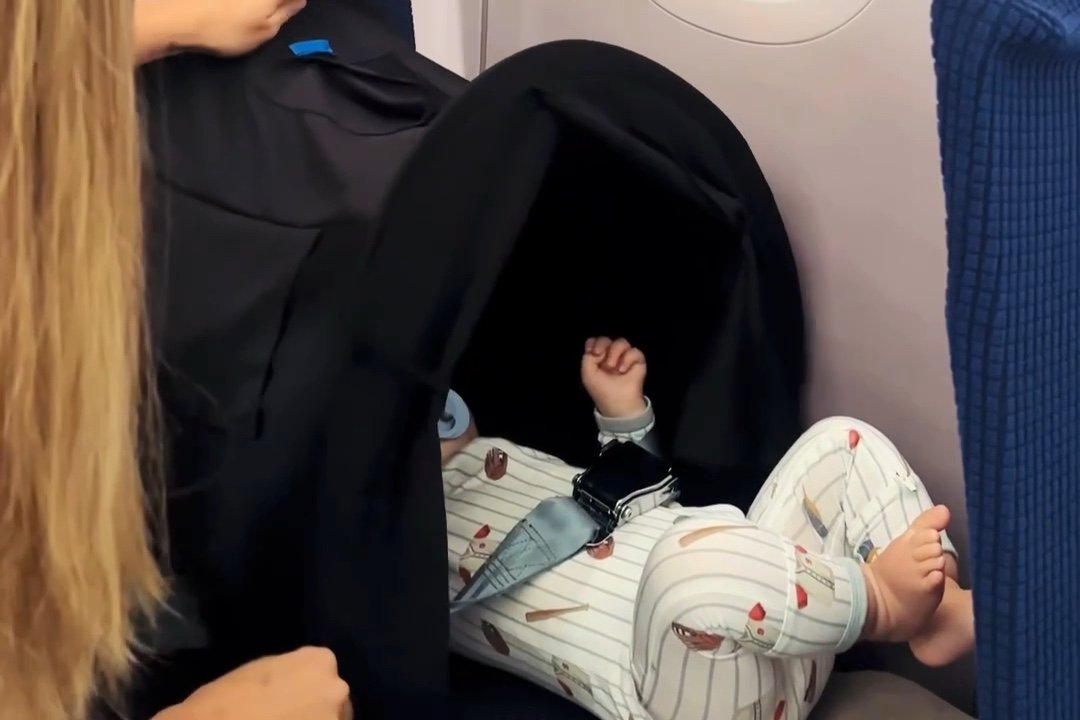
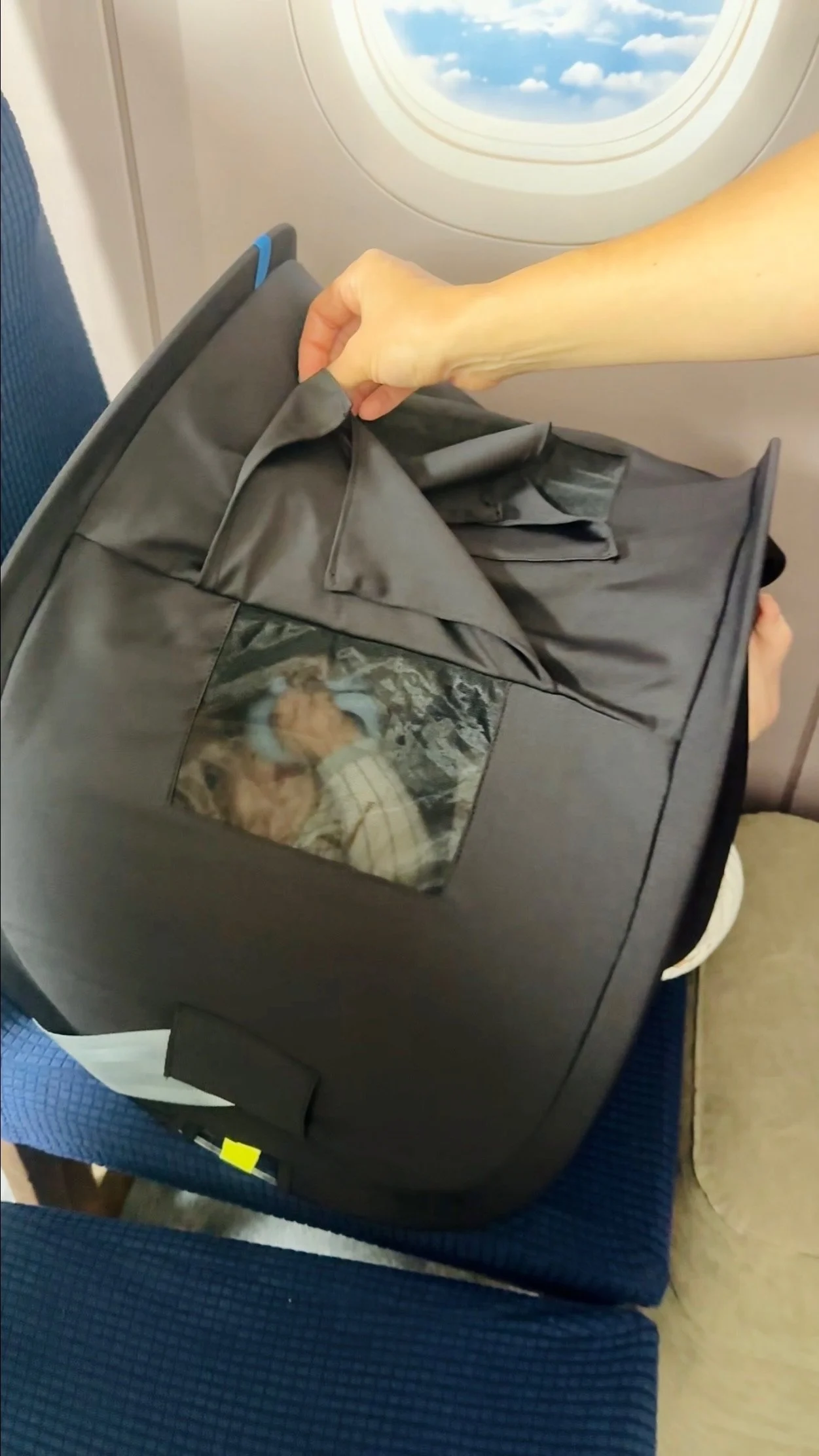
Checking in on her 12-month-old - no need to unzip anything.
-
![]()
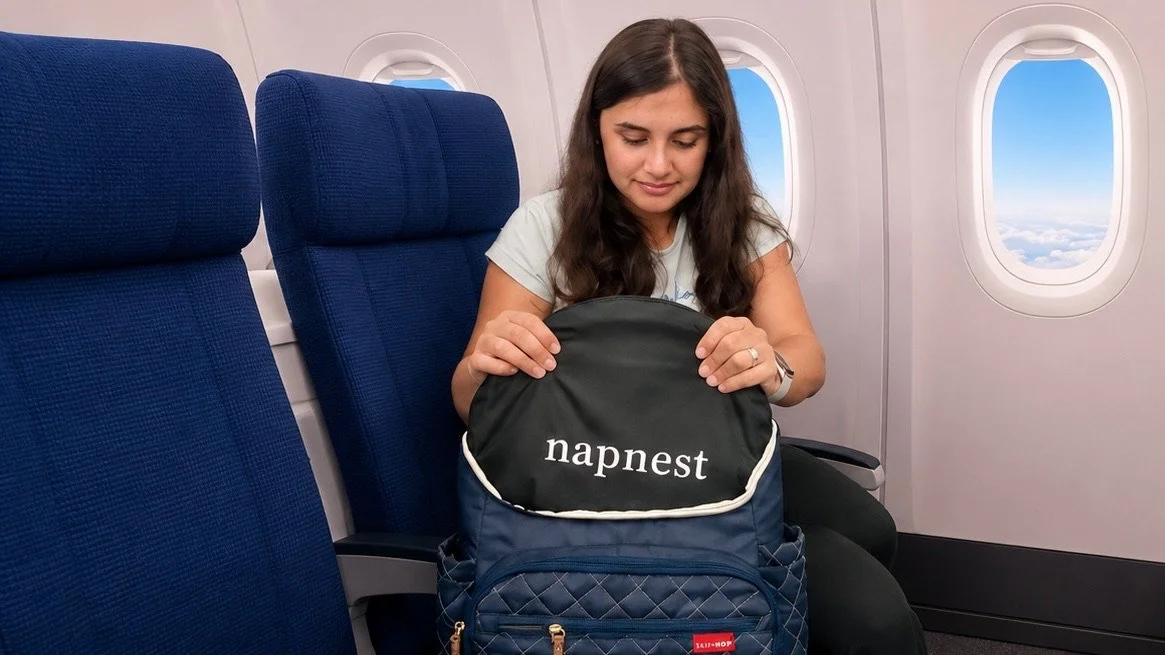
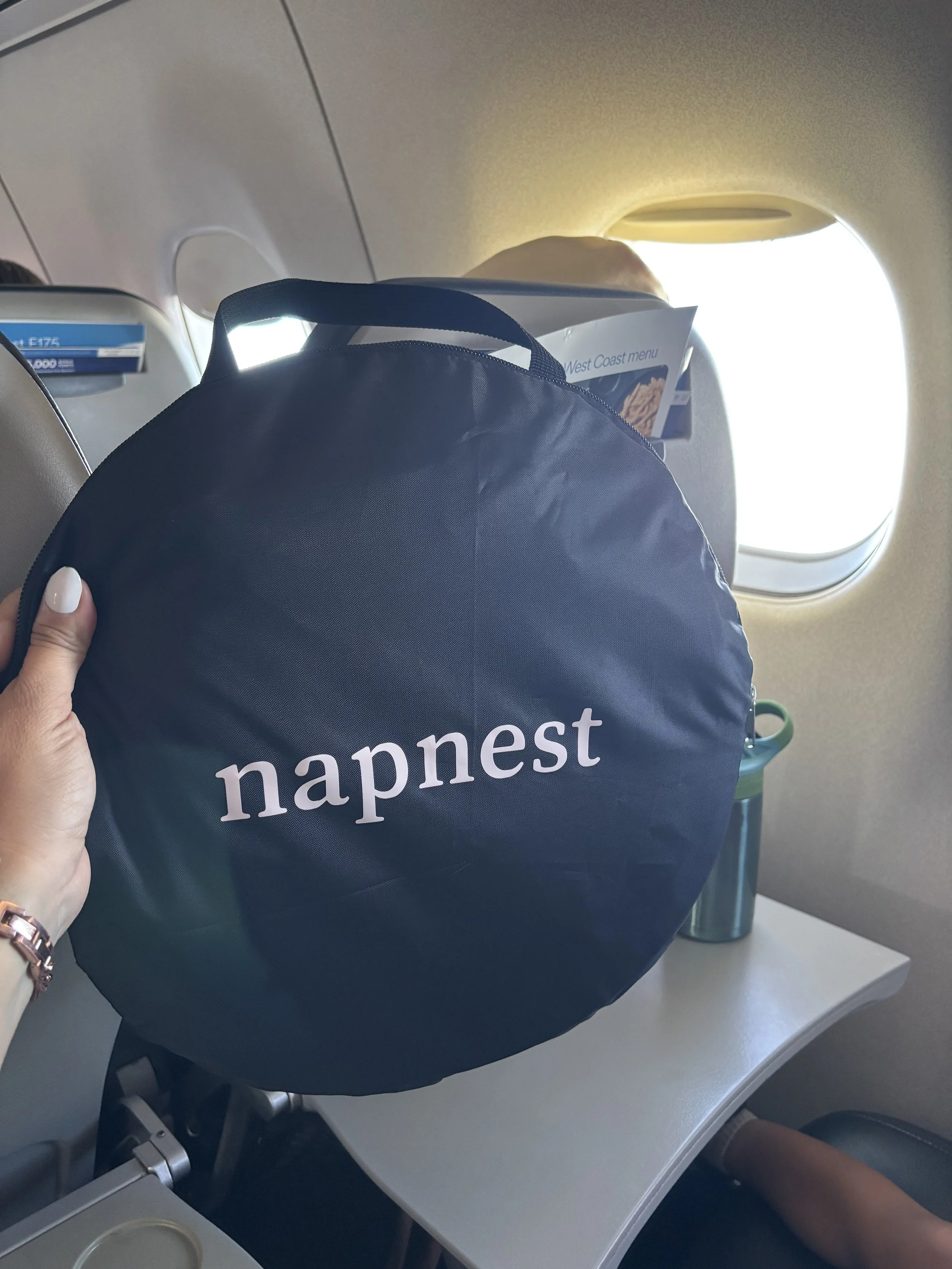
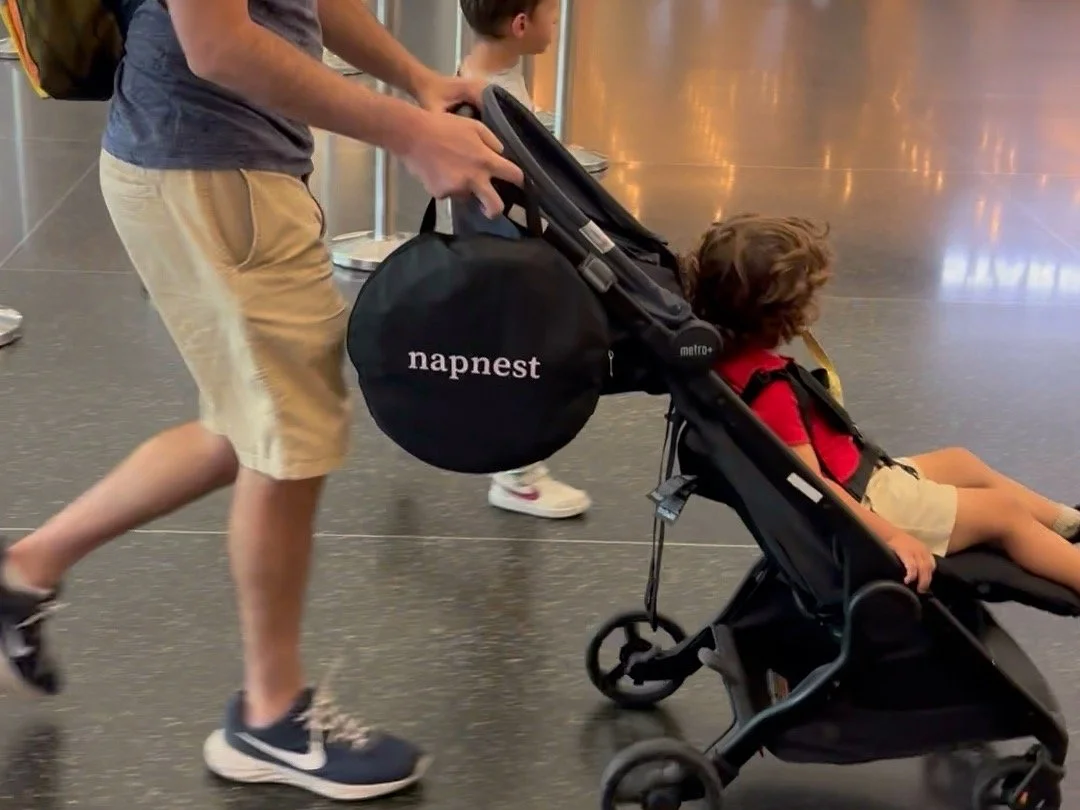
NapNest and bag weigh less than 1 pound. Fold flat and slide in your backpack.
-
![]()
Three air vents keep fresh air flowing all flight.
-
![]()
Flowy curtains mean easy access - open them as much or as little as you like.
-
![]()
Compact enough to disappear into any bag.
BECOME A FOUNDING MEMBER
NapNest
FIRST 50 ORDERS ONLY
Estimated delivery Fall 2026
(U.S. shipping only)
Flying too soon or just got back? [See what to do →]
Estimated delivery Fall 2026
(U.S. shipping only)
FIRST 50 ORDERS ONLY
BECOME A FOUNDING MEMBER
Exclusive bonuses when you preorder:
Exclusive bonuses when you preorder:
✓ The NapNest Travel Kit
✓ The NapNest Travel Kit
The ultimate interactive packing and planning guide with age-specific lists and timelines, from a mom who's done this 150+ times. Check things off and personalize, all from your phone.
IMMEDIATE DELIVERY
✓ Limited Edition Suitcase Sticker Set
Designed to turn their bag into the most recognized one at baggage claim.
DELIVERED WITH NAPNEST, FALL 2026
✓ Limited Edition Suitcase Sticker Set
The ultimate interactive packing and planning guide with age-specific lists and timelines, from a mom who's done this 150+ times. Check things off and personalize, all from your phone.
IMMEDIATE DELIVERY
DELIVERED WITH NAPNEST, FALL 2026
Designed to turn their bag into the most recognized one at baggage claim.
How Does NapNest Work?

Shuts out distractions
Screens, passengers, and movement stay outside. Calm stays in.
Screens, passengers, and movement stay outside. Calm stays in.
Feels like home
Recreates the quiet, dark conditions your child already knows — so sleep comes naturally.
Soft blackout shell dims the cabin to near-dark — a natural melatonin boost that signals your child’s body it’s time to sleep.
Soft blackout shell dims the cabin to near-dark — a natural melatonin boost that signals your child’s body it’s time to sleep.

Blocks light
Forward-facing pairs with a seat extender. Side-facing skips it entirely and works on any seat, window, middle, or aisle.

Built for any seat
Forward-facing pairs with a seat extender. Side-facing skips it entirely and works on any seat, window, middle, or aisle.
Recreates the quiet, dark conditions your child already knows — so sleep comes naturally.
Want the ultimate airplane sleep setup?
NapNest creates the sleep environment. Fly Tot gives your child a place to stretch out.
Together, they create the ultimate, distraction-free sleep system for young travelers.
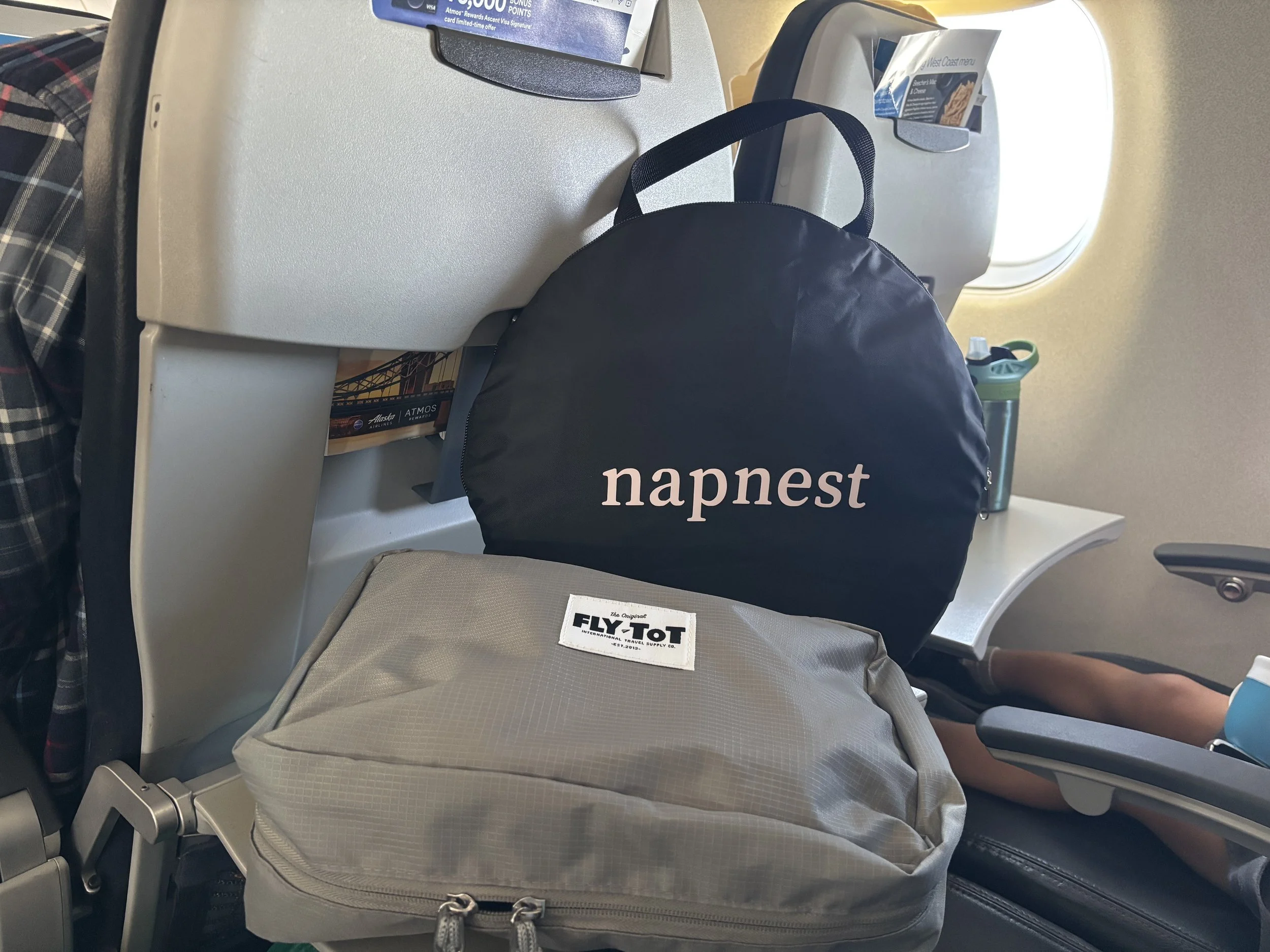
UPGRADE TO THE
Airplane Sleep System
Add Fly Tot to your NapNest preorder for 20% off retail price!
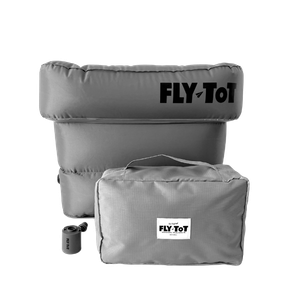
NapNest — $95
Fly Tot — $127

The original, award-winning inflatable airplane cushion — fills the legroom gap between seats and creates a flat, comfortable surface where kids can stretch out and sleep. Inflates in under a minute.
No installation required.
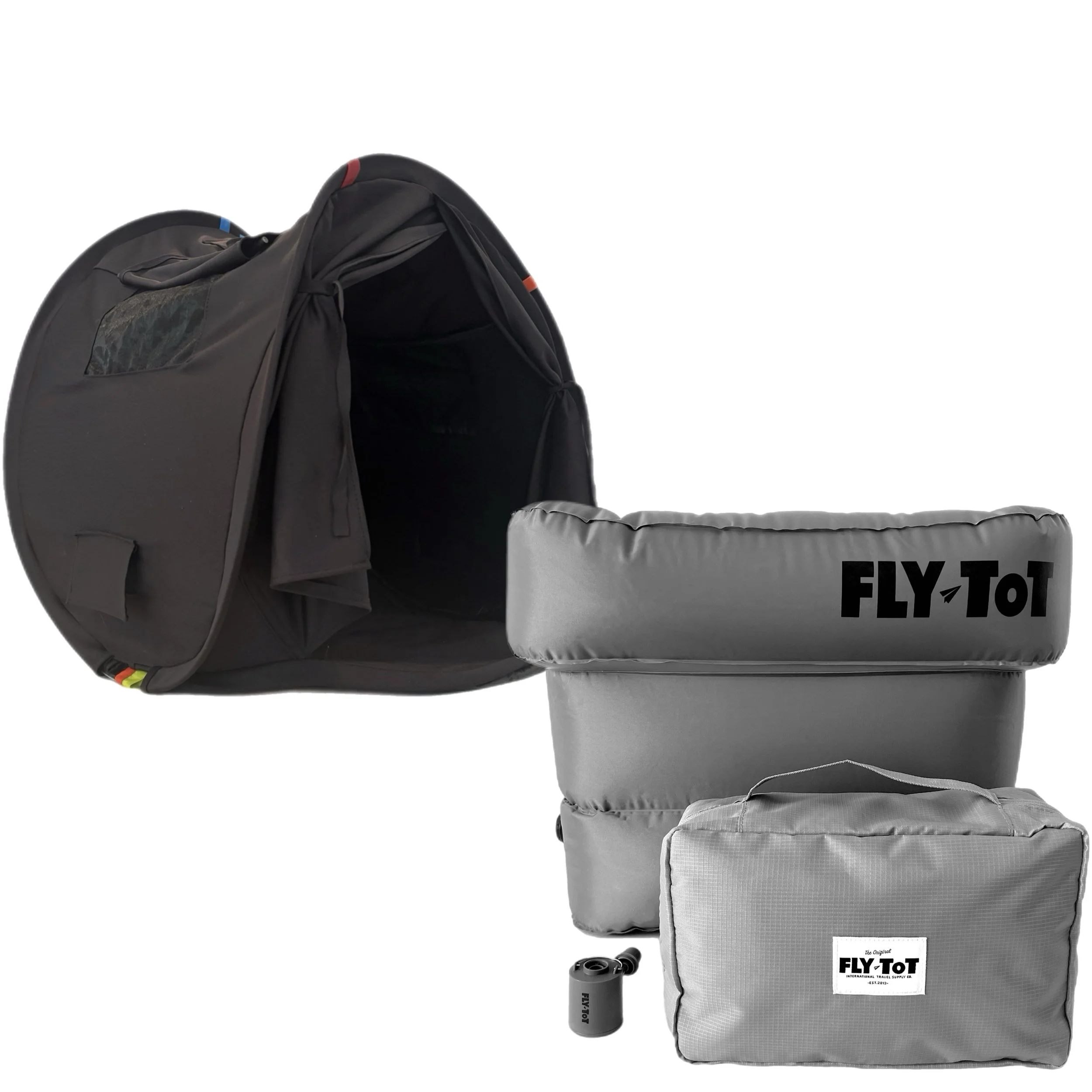
Learn more at flytot.com
The original, award-winning inflatable airplane cushion — fills the legroom gap between seats and creates a flat, comfortable surface where kids can stretch out and sleep. Inflates in under a minute.
No installation required.
ONLY 50 AVAILABLE
Estimated delivery Fall 2026
(U.S. shipping only)
Add Fly Tot to your NapNest preorder for 20% off!
Learn more at flytot.com
ONLY 50 AVAILABLE
Estimated delivery Fall 2026
(U.S. shipping only)
Flying too soon or just got back? [See what to do →]
Sleep That Survives the Cabin Lights
Less light. Less to look at. More of the deep, uninterrupted sleep that turns a dreaded flight into an easy one — for them, and for you.
Darkness Is the Signal
77.5%
of preschoolers' melatonin is suppressed by light as dim as a darkened cabin — and stays suppressed for 50+ minutes after.
Sleep needs a cue, and for babies and young children that cue is darkness — and the science behind it is striking.
Here's the part that might surprise you: young children are significantly more sensitive to light than adults. The same cabin environment that barely registers for you is hitting your child's biology much harder than you'd think.
of preschoolers' melatonin is suppressed by light as dim as a darkened cabin — and stays suppressed for 50+ minutes after.
Safe, Simple, and Welcome On Board
We designed NapNest to fly under the radar — no installation, no negotiating with the crew, no bothering the people around you.
AIRLINE-FRIENDLY BY DESIGN
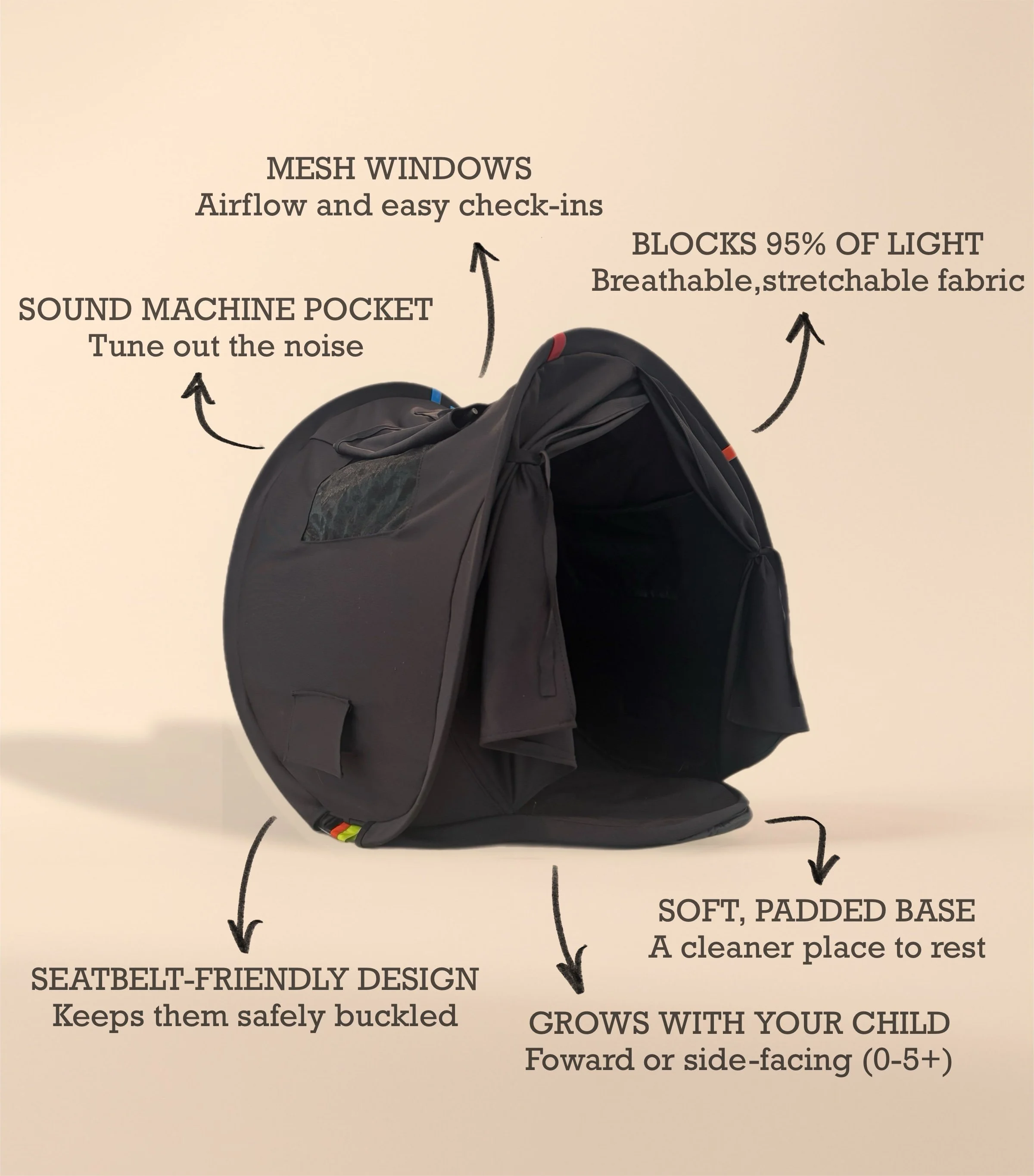
Child stays buckled. The airplane's own seatbelt runs right through the nest, securing them exactly as the airline intends.
Child stays visible. A glance is all it takes to check on them.
It breathes. Breathable materials and cross-air ventilation keep airflow moving, so the space stays fresh and comfortable.
Never modifies the seat. Nothing to clip, clamp, or undo.
Flight attendant-approved. No blocking the aisle, no obstructing the row, no spilling into your neighbor’s space.
BUILT FOR REAL TRAVEL
Lightweight and compact Weighs under 1 pound, sets up in seconds, and packs down to 13 inches — small enough to fit in your backpack.
Built-in sound machine pocket. Because darkness is only half the equation.
Lightly padded cotton base. Soft for your child, and a clean barrier between them and whatever's on that airplane seat.
Grows with your child. Forward-facing or side-facing — and since side-facing never needs a footrest, it works in any seat, at any age.
Built By a Mom With Over 150 Long Flights
NapNest started on a long-haul flight, after 150+ trips and one too many collapsing blanket forts. A traveling mom built something sturdier, slipped her 10-month-old inside, and watched him sleep for nine hours straight — through meal service, through the lights, through all of it.
That flight changed everything. NapNest is that idea, refined and ready to share with you.
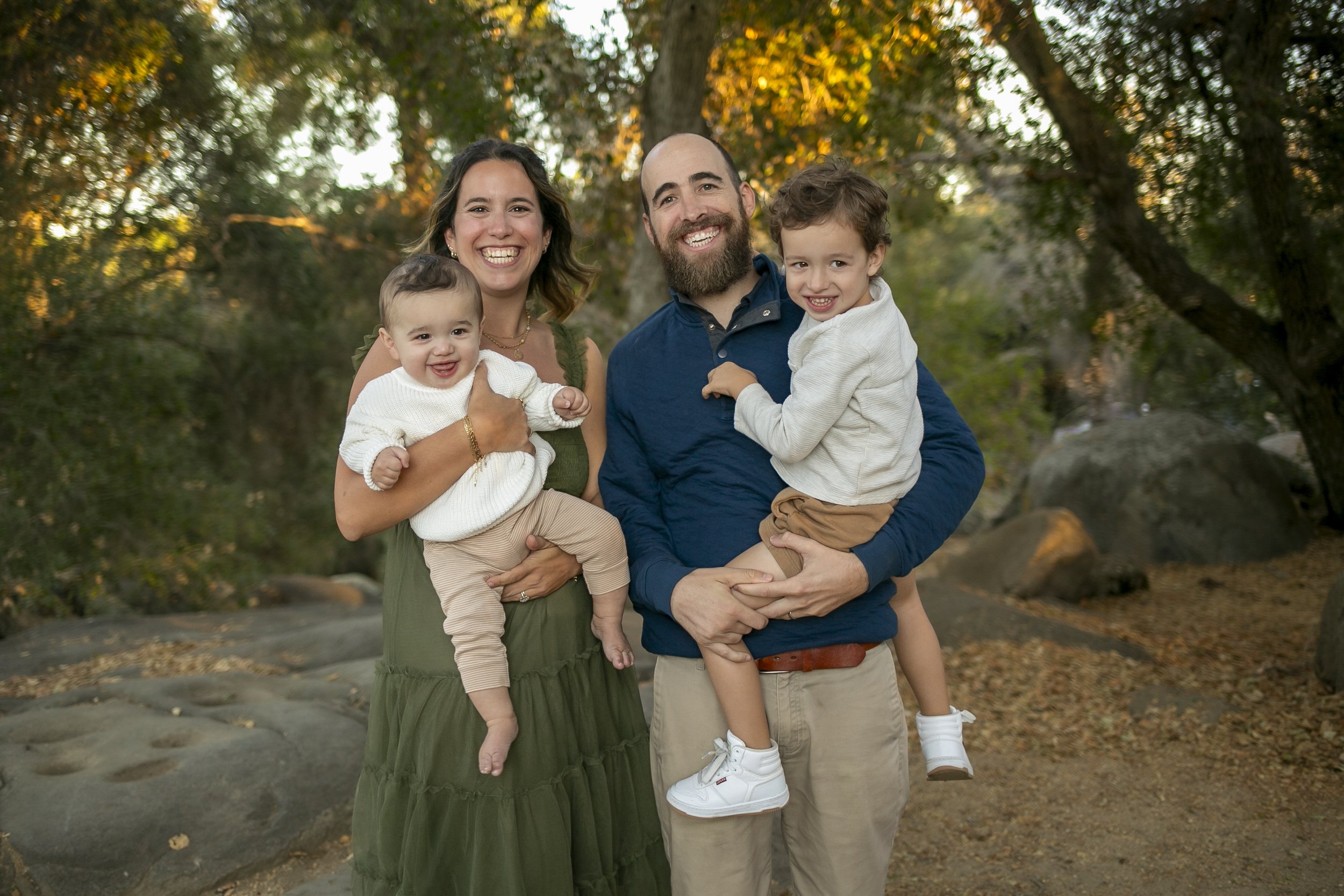
That flight changed everything. NapNest is that idea, refined and ready to share with you.
NapNest started on a long-haul flight, after 150+ trips and one too many collapsing blanket forts. A traveling mom built something sturdier, slipped her 10-month-old inside, and watched him sleep for nine hours straight — through meal service, through the lights, through all of it.
Ready to try it?
Flying too soon — or not soon enough?
Whether you just got back, or your next trip is coming up fast, join the list and we'll let you know the moment NapNest is ready to fly with you.
STAY IN THE LOOP